Weather data in Agdir: From forecast to action – work windows that create confidence and drive execution
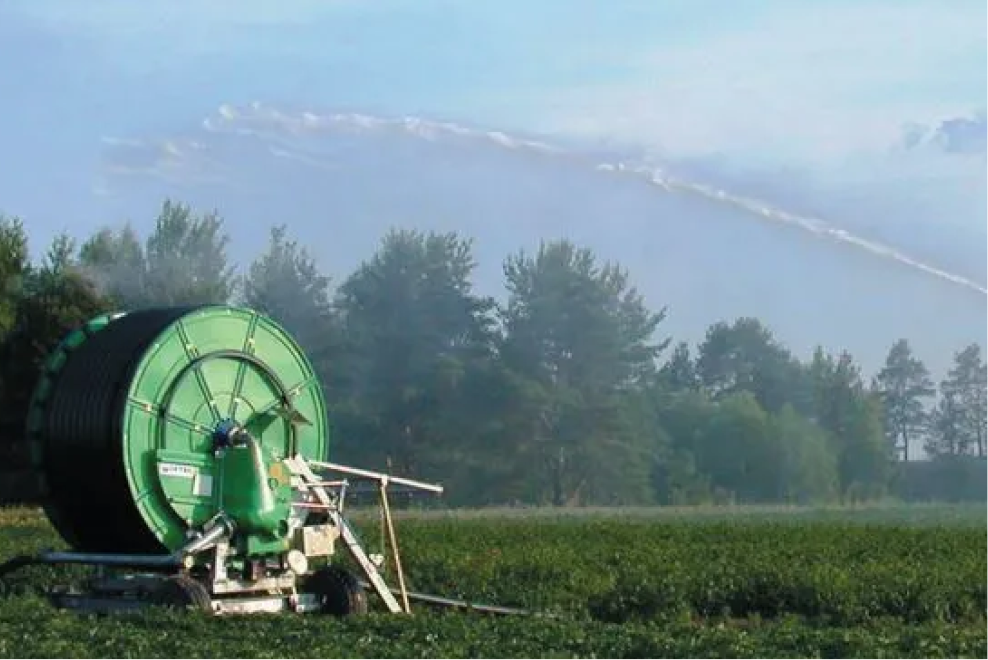
The weather forecast itself is rarely the problem – it’s how we interpret it that causes uncertainty. “Rain soon,” “wind in the morning,” or “sun at times” gives little help when deciding what to do, where, and when.
Agdir turns forecasts into actionable insight: the system translates weather data into concrete work windows for each field, ensuring that spraying, fertilization, and irrigation happen under safe and profitable conditions. The result is fewer wasted trips, higher quality outcomes, and a calmer season – especially for family farms that want to combine experience-based management with data-driven precision across generations.
Weather in Agdir – field-based work windows that turn plans into action
What sets Agdir’s weather module apart from simply “checking the forecast” is how the data is used. Weather, wind, temperature, degree days, and precipitation are linked directly to each field and converted into operational recommendations.
Where a generic forecast stops, Agdir starts to add value – because decisions must be made where the operations actually happen, not at a distant weather station. Within the same workspace, each field shows whether conditions are safe, should wait, or are optimal for economic return this week.
Turning weather data into actionable work windows – step by step
The weather module in Agdir anchors forecasts and observations to your mapped fields. Once fields are registered, Agdir calculates degree days, wind, temperature, and precipitation over time in a way that makes agronomic sense.
- Spraying: Evaluates wind strength and direction, temperature, and precipitation to minimize drift and maximize efficacy.
- Fertilization: Considers rainfall and soil moisture to reduce leaching and ensure nutrient uptake.
- Irrigation: Balances evapotranspiration and temperature against threshold values, turning a “hot Tuesday” into either a specific irrigation need – or a clear “wait.”
Historical data transforms each week into a learning opportunity. Since every task is logged with weather context per field, it’s easy to see where timing was optimal and where it missed the mark. “Better timing” becomes a continuous process – not a guessing game.
Clear work windows mean less stress and better economics
Life on a farm is a constant race against time: the “good window” from morning often disappears by noon. Field-specific work windows simplify prioritization.
When Agdir indicates that spraying on Field A is safe for the next two hours, while Field B faces marginal wind conditions until evening, the order becomes obvious. When fertilizing sandy soil shows a high leaching risk tomorrow but good conditions this afternoon, the answer is in the plan – not in uncertainty.
This creates three tangible benefits:
- Less re-prioritization: Fewer last-minute reversals due to misjudged weather windows.
- Higher quality and more consistent yields: Operations happen when efficiency and crop response are at their best – not just when the calendar allows.
- Better teamwork: Everyone sees the same reality – and acts accordingly, regardless of role or experience.
Spraying, fertilization, and irrigation – focus effort where it matters most
Spraying: reduce drift and ensure efficacy
Effective spraying depends on hitting the right combination of wind, temperature, and precipitation – not just “today,” but within the short interval where plant protection products work best and aren’t blown or washed away.
Agdir visualizes wind strength and direction over time and marks “safe” and “marginal” periods for each field. The result: fewer wasted trips, lower chemical use, and better effect per application. In practice, this means a clear green light when the window is optimal – and a clear “wait” when cost-benefit isn’t in the farmer’s favor.
Fertilization: maximize uptake, minimize leaching
Fertilization pays off when nutrients stay where crops can use them. Agdir evaluates rainfall, soil moisture, and temperature against leaching risk and recommends timing for maximum uptake. For sandy soil in hot periods, an evening window may be more profitable than an early morning attempt before rainfall. Visual feedback removes doubt: the plan clearly shows where the money lies.
Irrigation: from degree days and evaporation to actual need
What “looked fine” on Monday may be insufficient by Thursday. As Agdir tracks degree days and evaporation per field, it becomes clear when stress thresholds are approaching. The system identifies short, safe irrigation windows and recommends optimal volumes – particularly valuable when heat and wind increase surface losses. Combined with pump capacity planning, fields are prioritized by efficiency, not proximity.
For tech-savvy family farms in generational transition
Generational shifts are about moving from tacit knowledge to shared knowledge. Agdir’s weather module helps by making decision logic visible. When the next generation, parents, and employees see the same field-based work windows, discussions shift from opinions to decisions.
Historical data connects actions to results, creating an archive of “what worked” and “what to avoid repeating.” This reduces personal dependency and speeds up onboarding. A new farm manager can instantly see which fields frequently face midday wind issues or where local rain shadows cause near-misses that never replenish soil moisture. Less to “inherit in someone’s head,” more to pass on in the system.
Real-world examples of when the weather module pays off
- Spraying before light rain: When light showers are expected in 2–3 hours, Agdir shows whether a safe window still exists now – or if it’s better to wait until early morning. This reduces the risk of runoff and poor efficacy.
- Fertilizing before scattered rain: The system flags high leaching risk overnight and suggests lowering the dose or shifting the operation. The decision becomes simple – based on data and color codes, not gut feeling.
- Irrigation in dry, windy heat: A narrow evening window gives lower evaporation and calmer plants. Agdir highlights the best sequence of fields, so limited pump capacity is used where returns are highest.
Getting started
Setup is intentionally simple. Fields are mapped once, and weather is automatically displayed per field. Weekly views visualize work windows and priorities. Logged operations automatically include weather context, making the history useful for future planning.
For most farms, starting with the weather module and journal is enough – sensors and advanced thresholds can be added later once routines and benefits are in place.
Frequently Asked Questions
Isn’t this just like checking the weather app?
No. Agdir translates forecasts into actionable work windows per field and ties them directly to operations and historical performance. It’s decision support, not just weather prediction.
What if the forecast is wrong?
The system updates recommendations as forecasts change. Short time horizons and live observations allow for quick plan adjustments without disruption.
Do we need sensors?
No. The weather module works standalone and adds value from day one. Sensors and other data inputs can be layered on where they bring clear returns.
Summary
Weather can’t be controlled – but it can be used far more precisely. When forecasts and observations are converted into actionable work windows per field, priorities become clear, risk decreases, and value increases.
Agdir turns weather into a practical advantage – a shared truth that keeps the team aligned through a busy season and ensures smooth generational transition.
Activate field-based weather in Agdir today, plan your week around work windows, and experience how less guessing brings more calm, higher quality, and fewer detours.
Enable the weather module in Agdir, map your fields, and start planning by work windows – you’ll see the difference in execution within a week.