Soil Moisture Sensors – Precise Irrigation Recommendations for Sandy Soil and High-Value Crops
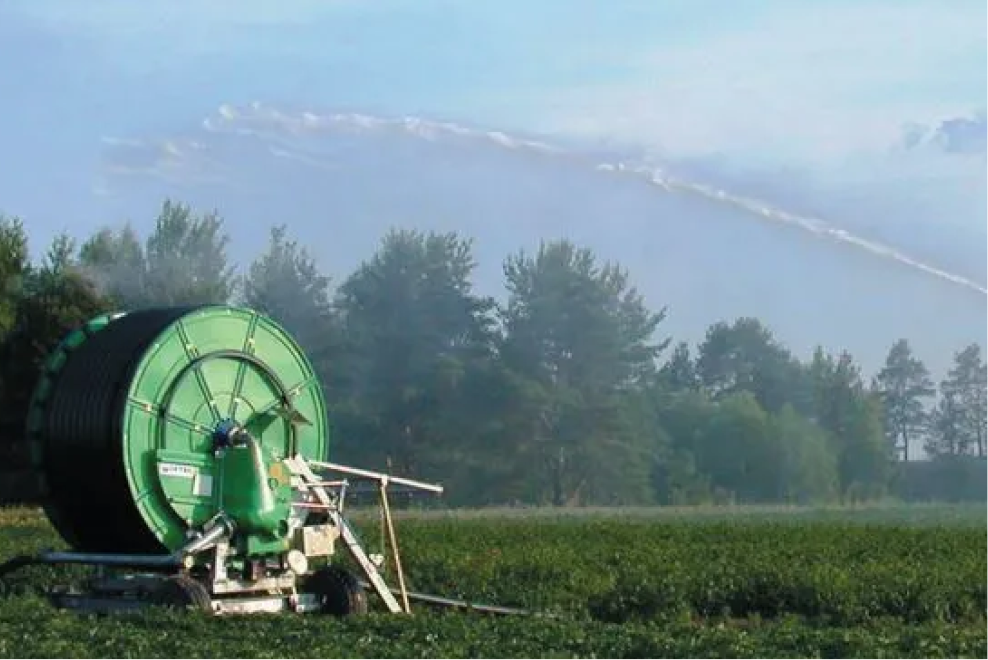
Soil moisture sensors measure water content in the root zone and provide precise data on when plants actually need water. In Agdir, sensor data is combined with evapotranspiration (ET) calculations and weather forecasts to generate specific irrigation recommendations: how much, when, and for how long. Especially on sandy soil and in high-value crops, this saves both water and plant stress.
Soil moisture sensors in Agdir – from measurement to irrigation plan
The sensors measure moisture at different soil depths and send the data to Agdir. The system combines this with temperature sums and precipitation forecasts to calculate the water balance and recommend irrigation start, amount, and duration. This turns measurement into actionable irrigation planning.
Where soil moisture sensors create the most value
Sandy soil
Fast drainage and low water-holding capacity make timing critical. Sensors detect stress before it becomes visible in the plants.
High-value crops (vegetables, berries)
High input costs mean optimized irrigation quickly pays back the sensor investment.
Variable topography
Dry ridges vs. wet hollows receive different irrigation recommendations based on sensor placement.
Practical use of soil moisture data
Irrigation start
When moisture + ET calculations indicate stress, Agdir recommends irrigation — but only during favorable weather windows.
Irrigation volume
The amount is adapted to soil moisture level and root zone capacity to avoid over-saturation and runoff.
Intervals
During heatwaves: short, frequent intervals. In cooler periods: longer intervals.
Placement and installation
Choose a representative location
Avoid extremes like hilltops or depressions; select typical soil for the field. Stay clear of tractor tracks or compacted zones.
Multiple depths
Place sensors at 15, 30, and 50 cm depths to monitor water movement through the soil profile.
Protection against damage
Mark sensor positions and protect them from tillage and heavy traffic.
Interpreting soil moisture data
Critical thresholds by soil type
- Sand: irrigate when moisture drops to 15–20% of field capacity
- Silt: irrigate at 25–30%
- Clay: irrigate at 35–40%
Seasonal variation
Thresholds can be adjusted through the season based on crop stress tolerance and weather outlook.
Integration with weather and ET data
Weather-based adjustment
Upcoming rain can delay irrigation; an approaching heatwave may advance it.
ET combination
High evaporation combined with falling soil moisture signals “high priority” for irrigation.
Wind coordination
Start irrigation during calm evening hours to reduce evaporation losses.
Typical benefits of soil moisture–guided irrigation
- 20–30% water savings through optimized timing vs. routine irrigation
- More consistent quality and less plant stress during the season
- Reduced energy use in pumping systems through smarter timing
- Less nutrient leaching through precise water application
Getting started
- Install one sensor on your most critical field (sandy soil/high-value crop)
- Calibrate thresholds during the first season and compare with plant response
- Integrate with weather windows for optimal timing
- Document results and adjust thresholds for next year
Summary
Soil moisture sensors bring precision where it matters most – on sandy soil and high-value crops. When combined with weather and ET data in Agdir, they generate irrigation recommendations that save water and reduce plant stress.
Install a soil moisture sensor on your most critical field and see how precise measurements lead to smarter irrigation decisions.