Regulations in Agdir: Always Compliant – Without Extra Work or Paper Stress

Agricultural regulations aren’t getting any simpler. Requirements increase, documentation must be correct, and mistakes can cost both time and subsidies. Agdir turns compliance – being in line with the rules – into a natural part of everyday workflow: journals, inventory, and weather are connected per field, templates ensure the right data, and reports can be generated in minutes.
That means confidence before inspections – and better decisions in daily operations. For family farms in transition and other business models, it also means less person-dependence and more predictable operations.
Regulations in Agdir – Compliance Built into the Workflow
Agdir isn’t an extra system you have to “feed” afterwards. As you perform different actions on the farm, documentation happens automatically – on the right field, with the right context, and connected to the correct inventory entry.
Limited free text, required fields, and reusable templates make all logging quick, consistent, and reliable. The result is a complete, traceable journal that meets KSL and government inspection requirements – without the paper chase.
What’s Needed – and How Agdir Solves It
Regulatory work boils down to four essentials: knowing what’s required, registering correctly, storing securely, and retrieving quickly.Agdir covers all four – in one solution, on the same interface used daily.
- Requirements translated into practice: Spraying, fertilizing, irrigation, soil work, observations, and HSE are logged per field in structured forms.
- Accurate registration from the start: Templates and pre-filled fields cover 80–90% of the work; the operator only adjusts deviations.
- Full traceability: Each action is linked to user, time/date, field, weather context, and inventory usage.
- Quick retrieval: Reports per field or time period can be exported in minutes – ready for audits or advisor reviews.
Field-Based Documentation – The Core of Confident Compliance
The field is where operations happen and where inspection questions arise. When everything is structured by field, it’s easy to answer what was done, where, when, and why. The journal provides strength in both directions:for daily operations (prioritization and learning) and for audits (traceability and completeness). One structure, two benefits.
Journal + Weather + Inventory – The Foundation of Trust During Audits
An entry with correct fields is good; an entry with context is better. When spraying, fertilizing, and irrigation logs include wind, rainfall, and temperature, they show that decisions were made responsibly. When inventory is updated at the same time, traceability from container to treatment is secured. Inspectors see the full picture – not just single entries – and audits go faster with fewer deviations.
Checklists and Templates – Less Free Text, Fewer Errors
Clear templates ensure that all required fields are included.Checklists before critical actions (for example, distance to water whenspraying) help catch configuration errors before they become noncompliance.Less free text creates more comparable data across operators and makes onboarding easier when roles change.
Typical Inspection Scenarios – and How Agdir Handles Them
Spraying
Spray logs per field and time period include product/dose, area,operator, wind profile, and rainfall at the time – plus automatic inventorydeduction. Traceability and responsible execution are documented side by side.
Fertilization
Fertilizer logs link quantities and timing to weather(rainfall/temperature). They show efforts to reduce leaching and ensure uptake,as well as changes made under varying conditions.
Irrigation
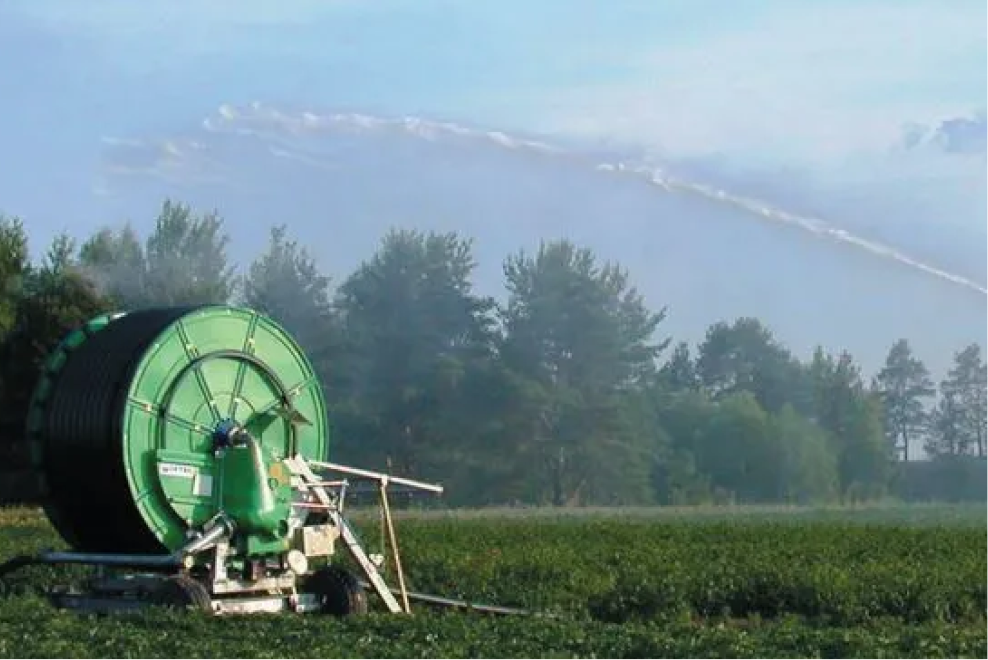
Irrigation logs per field include date and volume, linked totemperature and heat periods. They document assessed needs and efficientresource use.
HSE and Machinery
Completed risk assessments, safety rounds, and machine maintenanceare logged in the same system, tied to date and responsible person.
Inventory and Loss
Stock, withdrawals, and shrinkage logs reveal discrepancies early –before inspection. Purchases are based on actual consumption, not assumptions.
Especially Valuable During Generational Transitions
When farms change hands, regulations are often a major stressfactor. Agdir removes personal dependency by making compliance standardpractice: everyone sees the same journals, checklists, and inventory statuses –in real time. The next generation gains confidence in decisions, while theprevious one no longer needs to “carry” the documentation. Advisors get directaccess to facts, enabling faster and more accurate recommendations.
How to Get Fully Compliant – Without Extra Work
Start with three simple steps:
1. Map your fields and activate journals. Define required fields with templates for spraying, fertilizing, and irrigation.
2. Connect inventory items. Ensure usage and waste are linked to actions – not the other way around.
3. Use checklists in your task flow before critical actions. When the task is closed, documentation is automatically complete the first time.
Add a fixed “audit mode” each season – a scheduled moment to exportand review reports. Once the structure is in place, it takes minutes, not hours.
Frequently Asked Questions
Do we have to double-register?
No. Logging happens where the work is done; journals, weathercontext, and inventory update simultaneously.
What if the operator forgets a field?
Templates minimize the risk, and the system can alert you ifcritical fields are missing before saving.
Does it work without sensors?
Yes. Sensors and satellite data increase precision but aren’trequired for correct documentation.
Can an advisor get access?
Yes. Read-only access can be granted for faster, more accurate professional assessments.
Summary
Regulations shouldn’t steal your season. When requirements arebuilt into the workflow, compliance becomes a natural outcome of good operations – not an extra project done in hindsight. Agdir connects journals,weather, and inventory per field, ensures traceability with templates and checklists, and makes reporting just a few clicks away.
For family farms in transition, that means less stress, smootheraudits, and more confident decisions – day by day, field by field.
Activate the regulatory workflow in Agdir, set up templates andchecklists, and meet your next inspection with confidence and documentationready.