Plant Monitoring – Leaf Temperature, Sap Flow, and Stress Detection
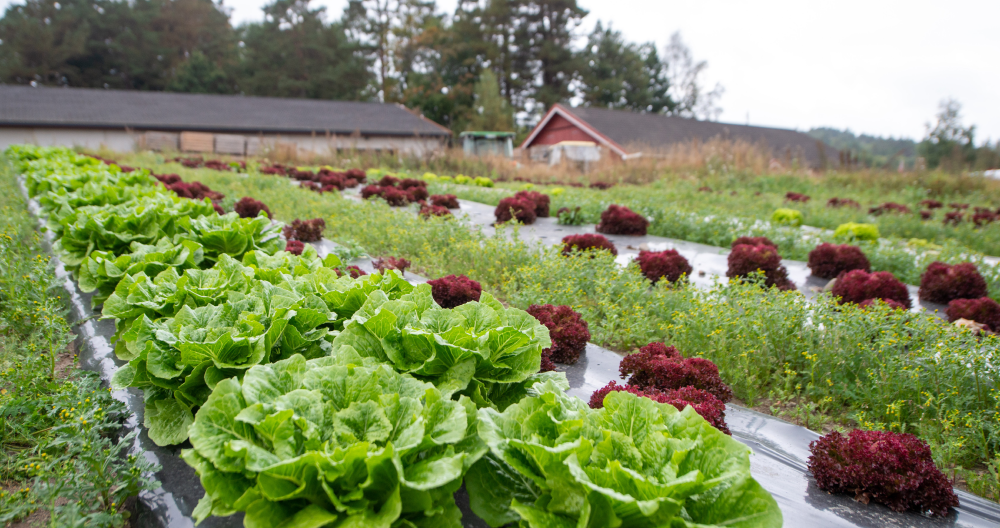
Plant sensors measure stress directly on the plant through leaf temperature, sap flow, or leaf moisture. These sensors are more advanced than soil and weather sensors but can provide very early warnings of stress before it affects growth or quality. In Agdir, plant sensors are integrated with weather data and satellite imagery to deliver comprehensive stress recommendations.
Plant Sensors in Agdir – Stress Before It Shows
Plant sensors detect physiological stress before it becomes visible as reduced growth or lower quality. Combined with weather and soil data in Agdir, this enables very early recommendations for irrigation, shading, or other stress mitigation actions.
Types of Plant Sensors and Their Applications
Leaf Temperature Sensors
- Measure: Temperature difference between leaf and surroundings
- Indicate: Water stress, heat stress, stomatal response
- Application: High-value crops in warm climates or exposed locations
Sap Flow Sensors
- Measure: Water transport in the plant’s stem/stalk
- Indicate: Water uptake, root health, overall plant vitality
- Application: Permanent crops, expensive plantings, research
Leaf Moisture Sensors
- Measure: Moisture film on leaf surface
- Indicate: Disease risk, dew formation, spraying conditions
- Application: Disease prevention, optimal spraying timing
Practical Use of Plant Data
Early water stress detection
Leaf temperature rises before the plant shows visible stress. Agdir can recommend irrigation based on temperature trends.
Optimization of spraying windows
Leaf moisture sensors show when leaf surfaces are dry enough for spraying, but not so dry that absorption is reduced.
Disease prevention
Persistent leaf moisture combined with temperature data provides precise disease risk assessments.
Integration with Other Data Sources
Plant sensors alone do not provide the complete picture. In Agdir, they are combined with:
- Soil moisture sensors – confirm whether stress is caused by dry soil or other factors (heat stress, disease).
- Weather station – air temperature and humidity explain leaf temperature readings and leaf moisture patterns.
- Satellite data – plant sensors confirm or refute stress signals detected by satellites.
Advanced Stress Detection – Examples
- Water stress before visible symptoms
Leaf temperature rises 2–3°C above air temperature. Combined with falling soil moisture, Agdir recommends immediate irrigation. - Optimal spraying in cloudy weather
Leaf moisture sensors show dry leaf surfaces despite cloud cover. Safe spraying can be performed. - Disease risk alert
Leaf moisture persisting for over 8 hours combined with moderate temperatures indicates high risk of fungal diseases.
Cost and Benefit Assessment
Plant sensors are more expensive than soil and weather sensors but can deliver significant benefits for high-value crops. Evaluate cost against potential losses from stress damage.
Where Plant Sensors Pay Off
- High-value crops with large potential losses from stress
- Exposed locations where stress occurs often and unpredictably
- Precision farming where margins are tight and timing is critical
Maintenance and Calibration
Plant sensors require more maintenance than soil/weather sensors:
- Weekly cleaning to maintain measurement accuracy
- Seasonal repositioning as plants grow
- Calibration against known stress situations
Summary
Plant sensors provide the most direct measurement of plant stress but cost more and require more maintenance than soil sensors. For high-value crops, early stress detection can prevent significant losses.
Consider plant sensors if you grow high-value crops with a history of stress issues and want the most precise early warning.