Micro-meteorology in the Field – Shelter, Shade, and Heat Peaks in Practice
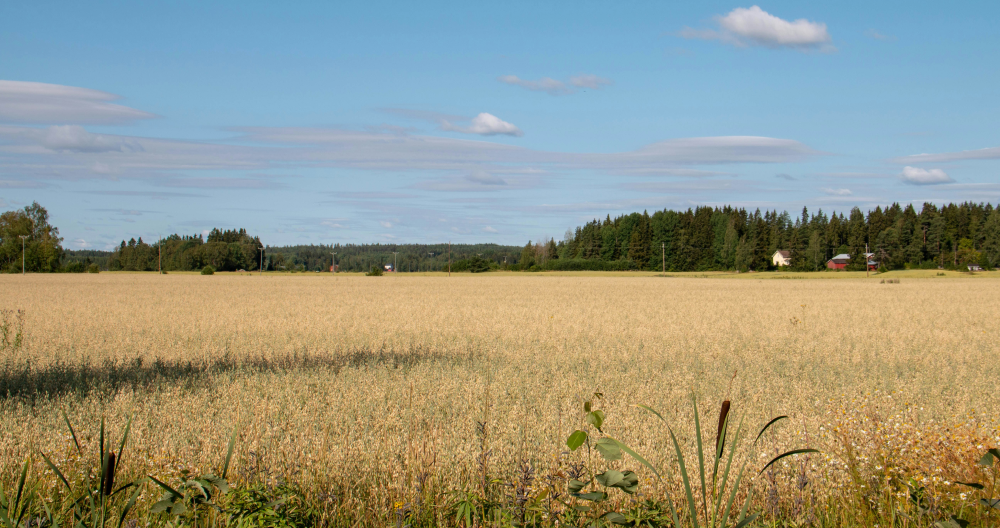
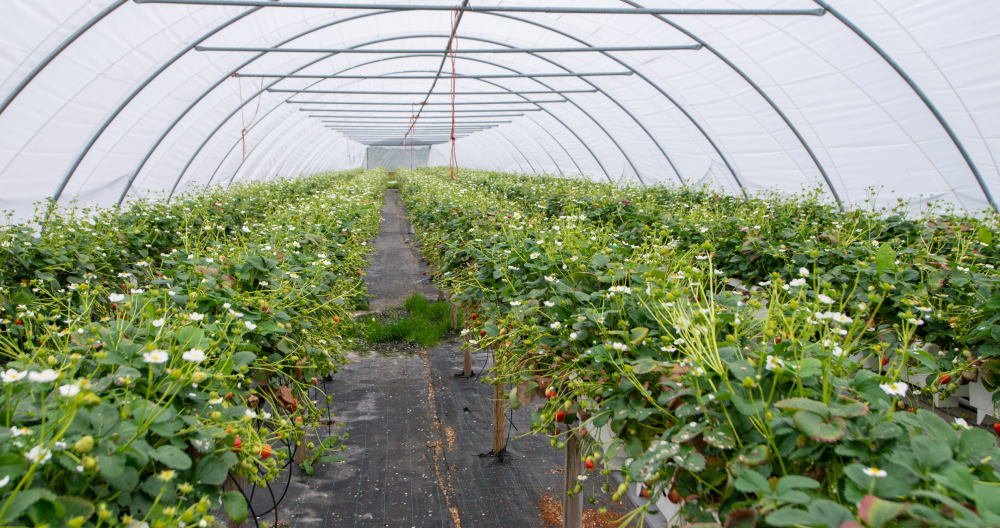
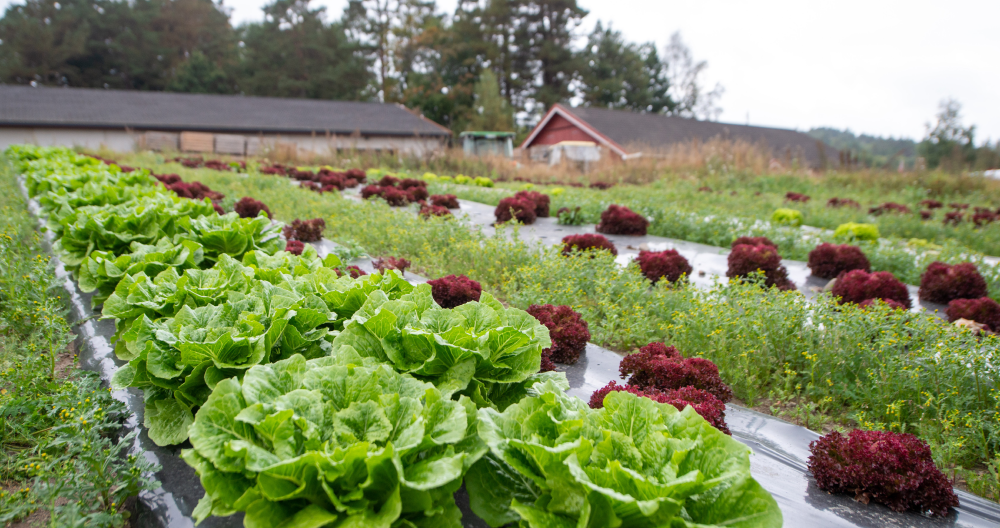
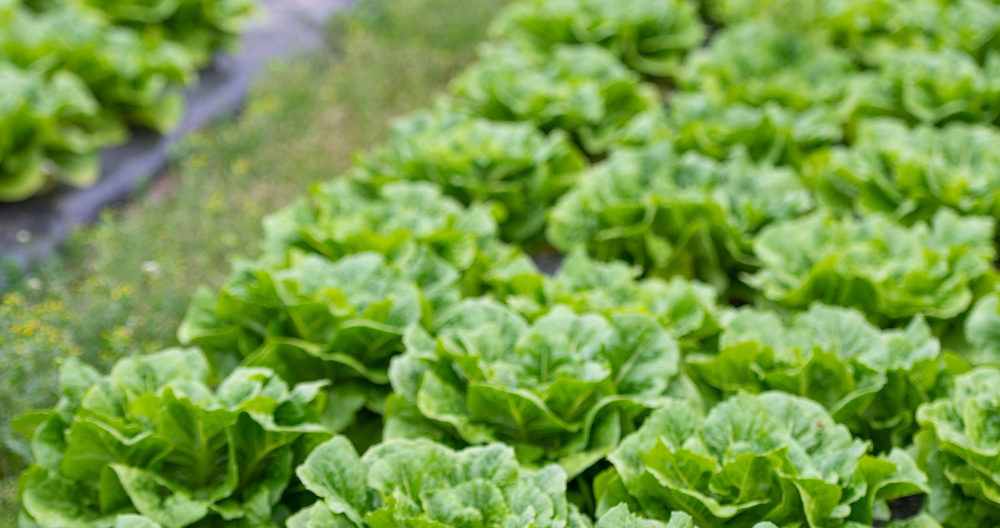
Two fields can sit side by side yet behave completely differently. Sheltered areas hold more humidity and stay warmer at night; open ridges dry out faster, cool down at night, and heat up more during the day. These micro-meteorological differences often determine whether spraying, fertilizing, and irrigation succeed. Agdir translates these variations into field-specific recommendations that make it practical: the right action, in the right order, with the right dose.
Micro-conditions in Agdir – Practical Impact per Field
Agdir combines weather data, history, satellite analysis, and optional sensors to reveal how shelter, shade, and topography affect timing windows for field operations. In practice, this means simpler prioritization:
- A sheltered field that retains moisture → higher disease pressure → prioritize spraying.
- A dry ridge in open terrain → prioritize short irrigation intervals.
- A shaded edge with delayed warming → avoid early spraying there.
How to Recognize and Manage Micro-conditions
1) Sheltered areas with high humidity
- Spraying: Higher disease risk and longer leaf wetness; prioritize treatment during calm, cool periods.
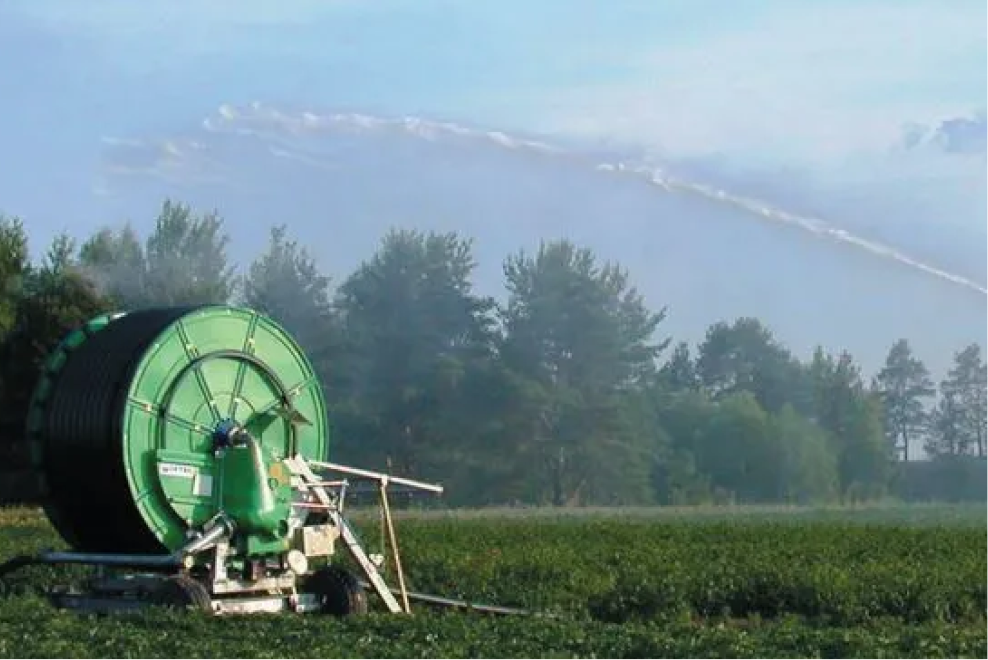
- Irrigation: Avoid extending leaf wetness in the late evening – water earlier in the day instead.
2) Open ridges and dry wind
- Irrigation: Short intervals in the evening hours; prioritize these before the “average” fields.
- Fertilizing: Split doses during heat peaks to ensure uptake.
3) Shaded zones and delayed warming
- Spraying: Be aware of slower uptake; early morning may be too cold – aim for late morning or early evening.
- Irrigation: Lower evapotranspiration in shade → reduce volume and shift more water to sun-exposed zones.
Planning in Agdir – Sequences and Templates That Account for Micro-conditions
- Tag fields/zones with “sheltered,” “open ridge,” or “shaded” in notes or labels.
- Set up task sequences: sheltered fields for spraying in the first safe wind window; open ridges for irrigation before evening.
- Use templates with micro-hints: checklists for edge protocols, moisture observations, and irrigation interval selection.
Summary
Micro-meteorology makes the difference. When shelter, shade, and open ridges are built into your plans and templates in Agdir, actions become more precise: the right priority, right timing, right dose.
Tag your fields, adjust your task order, and add micro-checkpoints – reducing stress while increasing precision.