Make Every Liter Count – Smart Timing and Targeted Application
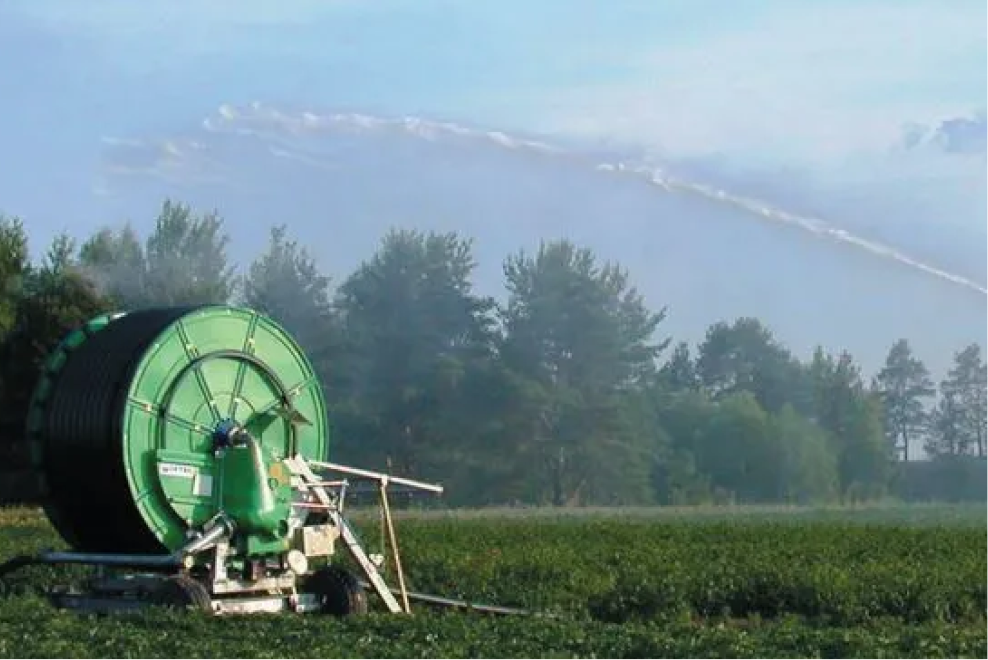
Irrigation is not just about giving plants water, but about delivering the right amount at the right time. In Agdir, soil moisture, weather forecasts, and degree days are combined to provide precise irrigation recommendations per field. The result is better plant response, reduced water consumption, and fewer wasted trips – especially critical on sandy soils and during droughts where the margin for error is small.
Irrigation in Agdir – Data-Driven Decisions on Timing and Quantity
Agdir gathers weather data, soil moisture (if sensors are installed), degree days, and ET (evapotranspiration) calculations to show when and how much water is needed. Instead of routine irrigation or guesswork, decisions are based on actual need and optimal timing. This leads to better plant response per liter and less stress for both plants and farmer.
Three Pillars of Smart Irrigation in Agdir
1) Timing based on weather windows
Irrigation is carried out in calm evening hours when evaporation is low and uptake is optimal. The weather module shows safe windows with low wind and reduced sunlight.
2) Quantity based on soil moisture and ET
Demand is calculated from degree days, temperature, and humidity (ET), adjusted for measured or estimated soil moisture. This prevents oversaturation and runoff.
3) Prioritization based on field differences
Sandy soils and exposed areas are prioritized during droughts. Satellites and sensors highlight where the need is greatest.
Practical Irrigation Planning – From Data to Action
Daily demand assessment
Agdir calculates ET based on temperature, humidity, and wind. Combined with rainfall history, the accumulated water demand per field is displayed.
Identification of weather windows
Calm evening hours (typically 18:00–23:00) and early mornings (05:00–08:00) are prioritized for lower evaporation and better uptake.
Order of priority with limited capacity
Sandy soils, high-value crops, and fields showing clear stress (satellite/sensors) are prioritized when pumping capacity is limited.
Irrigation Strategies for Different Soil Types and Crops
Sandy soils
- Challenge: Rapid drainage, low water storage capacity
- Strategy: Short, frequent intervals. Start early at stress signals.
- Agdir recommendations: Frequent monitoring, evening windows with low wind
Silty soils
- Challenge: Moderate storage capacity, risk of overwatering
- Strategy: Moderate volumes at longer intervals
- Agdir recommendations: Balance ET with soil moisture capacity
Clay soils
- Challenge: High storage capacity, but risk of compaction and poor drainage
- Strategy: Less frequent, deeper irrigation
- Agdir recommendations: Avoid irrigation before rain, monitor saturation
Vegetables and berries
- Challenge: High water demand, strict quality requirements
- Strategy: Steady water supply, avoid stress
- Agdir recommendations: Close monitoring with sensors and satellite data
Irrigation Efficiency – Get More Out of Every Liter
Optimal timing reduces loss
Evening irrigation reduces evaporation losses by 30–50% compared with midday irrigation in sunlight and wind.
Targeted quantity reduces runoff
By matching water volume to soil capacity, oversaturation and nutrient-leaching runoff are avoided.
Stress prevention improves quality
Steady water supply promotes better plant health and higher quality compared with alternating stress and overwatering.
Integration with Other Datasets
- Irrigation + weather forecast = optimal timing
Upcoming rain can postpone irrigation; upcoming heatwaves can advance it.
- Irrigation + satellite = prioritization
Red/yellow zones on biomass maps are prioritized; green zones can often wait.
- Irrigation + sensors = precision
Soil moisture sensors provide exact data on need; plant sensors give early stress warnings.
- Irrigation + logbook = learning
Recording water volumes, timing, and plant responses builds experience for better decisions.
Typical Irrigation Situations and Agdir Solutions
Drought with limited pumping capacity
- Situation: All fields need water, but capacity cannot cover everything at once.
- Agdir solution: Priority list based on soil type, crop, and stress signals from satellites/sensors.
Heatwave with high evaporation
- Situation: ET increases rapidly, but irrigation windows are short due to wind and sun.
- Agdir solution: Short, intensive sessions in calm evening hours; focus on most exposed fields.
Rain forecast with uncertainty
- Situation: 2–5 mm predicted, but unclear if it will meet demand.
- Agdir solution: Split irrigation into smaller portions; adjust after actual rainfall.
Irrigation Equipment and Agdir Integration
Manual control with recommendations
Agdir provides advice on quantity and timing; you operate the equipment manually based on recommendations.
Automatic control (advanced)
Irrigation systems can be integrated with Agdir for automatic start/stop based on predefined thresholds.
Documentation regardless of system
Water volume and timing are recorded in the logbook, whether the system is manual or automated.
Getting Started with Smart Irrigation in Three Steps
Step 1: Activate the irrigation module
Enable ET calculations and weather-based irrigation recommendations per field. No sensors required to begin.
Step 2: Test on one field
Follow recommendations for your most critical field (sandy soil/high-value) for one full season. Compare with normal practice.
Step 3: Expand gradually
Add soil moisture sensors where margins are tight; expand to more fields as routines settle.
Frequently Asked Questions
- Can we use Agdir without sensors?
Yes, weather-based ET calculations and satellite data provide valuable recommendations without sensors. - How much water can be saved?
Typically 15–30% on sandy soils and high-value crops with optimal timing and targeted volumes. - Does it work with automatic systems?
Yes, modern irrigation systems can integrate with Agdir for automated control. - What if the forecast is wrong?
Agdir adjusts recommendations as new weather data arrives, and local sensors can correct forecast errors.
Summary
Smart irrigation is about making every liter work where it delivers the most benefit. With Agdir’s combination of weather, soil moisture, and satellite data, irrigation decisions become more precise and less reliant on guesswork. This leads to better plant response, reduced water use, and fewer stressful seasons.
Activate the irrigation module in Agdir today, test the recommendations on your most critical field, and experience how data-driven decisions deliver better results per liter.