Journal in Agdir: One Digital Truth Per Field – Less Paper, Fewer Errors, Ready for Audits
Paper notes are better than nothing, but they don’t help much when you need to prioritize. A good journal shouldn’t just record what was done – it should make it easier to do the job right next time.
With Agdir, each field gets its own digital journal: spraying, fertilizing, irrigation, observations, and inventory are all connected in one view. The result is fewer mistakes, faster audits, and less dependence on individual people during a busy season – especially when anew generation is taking over.
Journal in Agdir – Field-by-Field Documentation That Works for You
The journal is part of your workflow, not a separate archive. Actions are logged directly on the field, with context such as weather, wind, and temperature. Templates make reuse easy, inventory integration ensures traceability, and completed tasks automatically update the journal.
The outcome is one digital truth that’s just as useful for daily operations as it is during KSL audits and official inspections.
What the Journal Covers – and Why It Means Less Stress
Agdir combines the spraying journal, fertilizing journal, irrigation log, soil cultivation, pest and disease observations, health and safety activities, and equipment tracking in one structured system with minimal free text and high data quality.
Each action is linked to the correct field, time, and user, and any product usage is automatically deducted from inventory.
This results in quick document retrieval, lower error risk, and clearer learning season after season.
For family farms undergoing a generational transition, it reduces “silent knowledge” – turning insights into shared and lasting knowledge.
How the Journal Works – Step by Step
1) Field First, Action Second
Registration starts with the field.
Select an action from a simple list and use templates where 80–90% of the fields are automatically pre-filled.
The system retrieves context (weather, wind, temperature) and links it to the action.
The log then documents both what was done and under which conditions.
2) Templates and Pre-Filled Data for Speed
Standard treatments are saved as templates – for example, spraying crop X with product Y at dose Z.
Next time, you only adjust differences (time, area, dose).
Less free text means fewer typing errors and consistent quality across operators.
3) Inventory Integration and Full Traceability
When actions are logged, product usage is automatically deducted from inventory.
The journal shows what was used where, and inventory matches reality at the end of the period.
Losses and discrepancies become visible early, and purchases can be planned based on actual numbers –not assumptions.
4) Weather and Actions in the Same View
The journal and weather data work together.
By putting spraying, fertilizing, and irrigation in a weather context, you can measure effects afterward.
Over time, patterns emerge:
· Which conditions deliver the best results
· When leaching occurs
· Which irrigation strategies provide consistent quality per soil type
Spraying, Fertilizing, and Irrigation – From Requirement to Advantage
Spraying Journal: Less Drift, More Effectiveness
Register product, dose, area, time, and conditions – exactly what’s required during inspections.
With weather context for each field, it’s clear what delivered the best effect with the least drift.
Templates ensure consistent registration across operators, and reports can be generated within minutes when KSL or inspectors ask.
Fertilizing Journal: Maximizing Uptake, Reducing Runoff
By linking fertilization to forecasted rainfall and soil type, timing and dosage are optimized.
The journal shows:
· When heavy rainfall occurred
· How much fertilizer was applied
· What adjustments are needed for next time
This results in better agronomy, clearer financial tracking, and more reliable documentation.
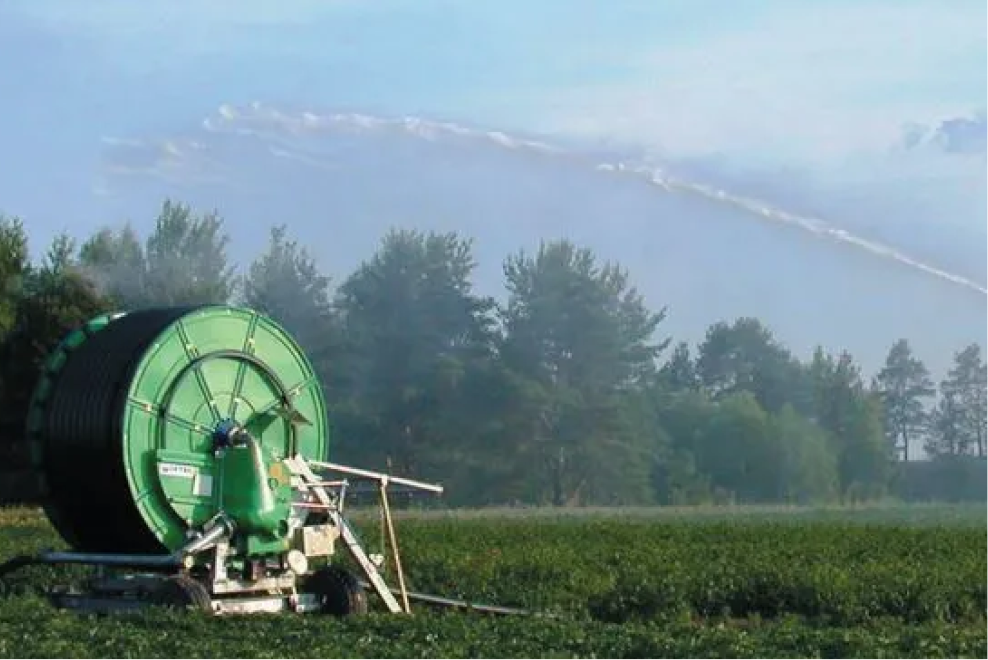
Irrigation Log: Documented Needs, Measurable Results
Date, volume, and field are logged and combined with degree days and heat periods.
Over time, this builds a knowledge base for pulse irrigation and dosage per soil type.
During generational transitions, experience becomes explicit:
The new operator sees why decisions were made – not just what was done.
For Tech-Savvy Family Farms – Share Insights, Not Just Tasks
The journal is designed for collaboration.
Provide access to successors, parents, and seasonal workers with clear permissions.
· When tasks are completed, they are mirrored in the journal.
· When inventory is used, stock levels update automatically.
· Advisors can get read-only access and provide data-driven recommendations instead of guesses.
This builds a culture of data-driven operations, making it easier to do things right.
Practical Uses– Three Scenarios
1) KSL Audit
Instead of gathering loose notes and screenshots, pull up the journal by field – complete with date, product/dose, area, and weather context.
This cuts audit time from hours to minutes and reduces discrepancies.
2) Advisory Work
When actions are shown alongside wind and rainfall history, discussions go straight to cause and effect.
Poor results in week 28?
Check wind patterns and rainfall – and adjust practices where it actually matters.
3) Handover to a New Manager
The journal shows what was done, where, why, and with what results.
A new manager doesn’t start from scratch but continues with proven practices.
Getting Started in Three Simple Steps
1. Map your fields and activate the journal module.
2. Create templates for the most common treatments (spraying/fertilizing/irrigation).
3. Connect inventory items so usage is automatically recorded.
Frequently Asked Questions – Quick, Clear Answers
Do I need to register everything manually?
No. Templates and pre-filled data handle most of the work – you only adjust exceptions.
How is data quality ensured?
Minimal free text, clear fields, and links to inventory/user/field ensure consistent data, regardless of who does the registration.
Does the journal work without sensors?
Yes. Sensors improve precision, but the journal is highly valuable on its own, especially combined with weather and tasks.
Summary
A journal that only archives solves yesterday’s problems. A journal that improves tomorrow’s decisions creates an advantage.
Agdir combines spraying, fertilizing, irrigation, and observations per field – with weather context, templates, and inventory integration – so documentation happens in real-time, not afterward.
This results in fewer errors, faster audits, and stronger data-driven decisions.
It’s the key to less stress and better collaboration: one digital truth where everything connects.
Enable the journal in Agdir today –set up templates and connect inventory so documentation and operations flow together by the end of this week.