History View and Comparison – Learn from Seasons and Between Fields
History is the key to learning. When past seasons’ data are available per field, it becomes easy to compare what worked, where, and when. In Agdir, the history view can display development across years, compare fields with similar conditions, and identify best practices that can be reused. This enables better decisions based on your own experience, not just general advice.
History view in Agdir – learning built in
Agdir stores all relevant data per field across seasons: weather history, operations, sensor values, satellite development, and results. The history view makes this data easily accessible for comparison and learning.
Three types of historical comparison
Season vs. season (same field)
Compare how the same field performed under different weather conditions or with different practices.
Field vs. field (same season)
See which fields responded best to the same operation under the same weather conditions.
Practice vs. practice (different combinations)
Compare the effect of different doses, timings, and methods across fields and seasons.
Practical uses of history
- Planning next season: Identify which field gave the best results with which practices – and plan to repeat success.
- Problem diagnosis: When one field performs poorly, compare with previous years and similar fields to identify causes.
- Agronomic learning: Identify patterns in responses to fertilization, spraying, and irrigation – and fine-tune practices.
- Economic optimization: See where inputs gave the highest returns – and adjust budgets accordingly.
How to use the history view – step by step
- Select field and period
Start with one field and compare 2–3 seasons to see trends. - Filter by operation
Focus on one type of operation (e.g. fertilization) to reduce complexity. - Check weather context
Overlay weather history with operations to understand why results varied. - Identify patterns
Note when the same practice gave different results – and which factors explain the difference. - Test theories
Use the learning to create hypotheses that can be tested next season.
Comparing between fields – finding best practice
- Fields with similar conditions: Compare fields with the same soil type and crop to see practice differences that influenced results.
- Standardized success measurement: Use the same standards (yield/ha, quality, input efficiency) across fields.
- Document practice differences: Note differences in timing, doses, and methods between fields with varying results.
The role of weather history in understanding
- Contextualizing results: A poor year may be caused by weather rather than practice – history shows the difference.
- Identifying weather patterns: See which weather conditions had the greatest impact on results.
- Planning for weather variability: Develop contingency plans based on how past weather extremes were handled.
Satellite history for visual comparison
- Season development side by side: Compare satellite time series from different years to see how the same field developed under different conditions.
- Response to operations: Observe how satellite signals changed before and after operations in different seasons.
- Identifying problem areas: Find fields or zones that consistently underperform – and investigate causes.
Economic history and profitability comparison
- Cost per unit: Compare input costs per hectare between fields and seasons.
- Return on investment: See which practices gave the best economic response under different conditions.
- Risk assessment: Identify fields or practices with the highest variation in results – and evaluate risk.
Practical examples of historical learning
- Fertilization optimization: Field A gave 15% better response to split N-fertilization than single-dose application. Test the same practice on similar fields.
- Improving spray timing: Evening spraying gave better effect than morning spraying in 3 of 4 seasons. Implement as standard practice.
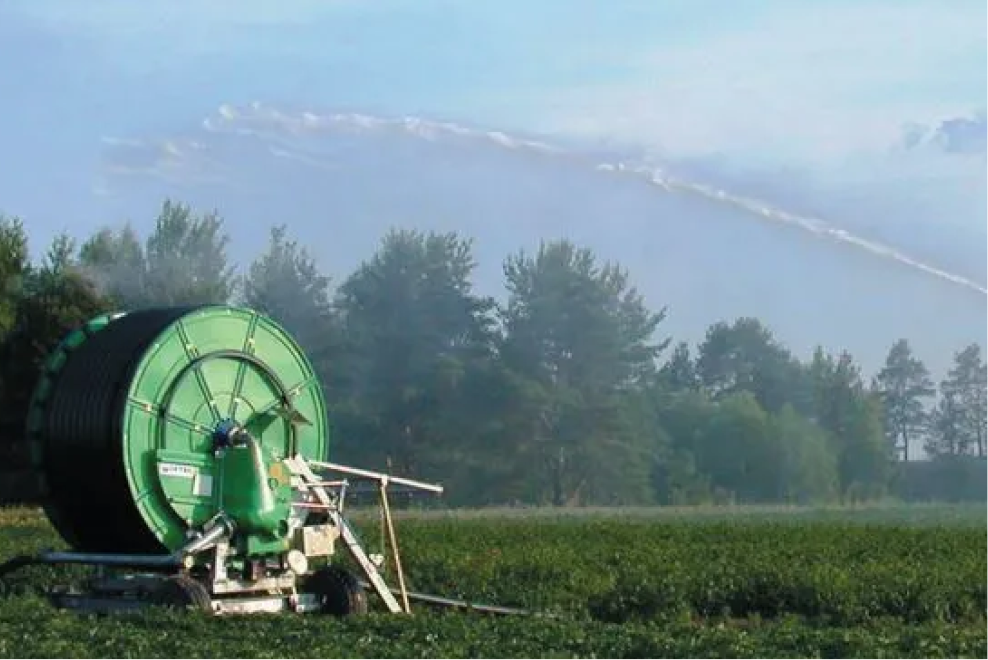
- Irrigation efficiency: Short evening irrigations gave better crop response than long morning irrigations on sandy soil. Adjust irrigation strategy accordingly.
Reports and export of historical data
- Season reports: Automatically generated summaries per field with key figures and comparisons.
- Excel export: Detailed data for independent analysis and graphing outside Agdir.
- Sharing with advisors: Share selected history data with external advisors for professional input.
Summary
History is a goldmine when used correctly. When data from past seasons is made available for comparison, it creates learning that cannot be bought – only experienced. Agdir’s history view makes this learning systematic and practically applicable.
Start by comparing one field over 2–3 seasons, identify best practices, and test the learning on similar fields next season.