Growing Degree Days in Practice – Smarter Timing for Irrigation, Fertilization, and Spraying
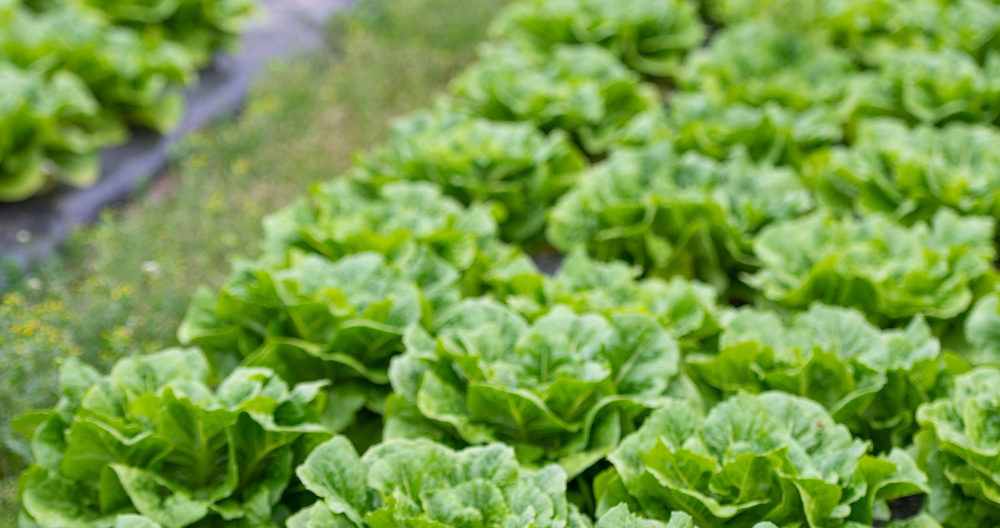
Growing degree days (GDD) are a simple measure of the accumulated heat plants actually receive – and thus of their growth rate. But GDDs only become useful when they’re translated into field-specific decisions. In Agdir, growing degree days are linked to each field together with weather data, work windows, and journal entries. The result is clear timing: when stress is approaching, when irrigation has the highest impact, when fertilizers should be split, and when spraying windows provide the best efficacy with the lowest risk.
Growing Degree Days in Agdir – from numbers to field actions
GDDs are automatically calculated per field in Agdir and displayed alongside forecasts and historical data. Combined with wind, rainfall, and temperature, this gives a precise picture of crop development and stress risk. You can easily see where growth is accelerating, where actions should be advanced, and where you can safely wait. That means fewer gut-based decisions – and a stronger shared basis for action.
How to use GDDs for decision-making
1) Irrigation: avoid hidden stress with short evening or morning cycles
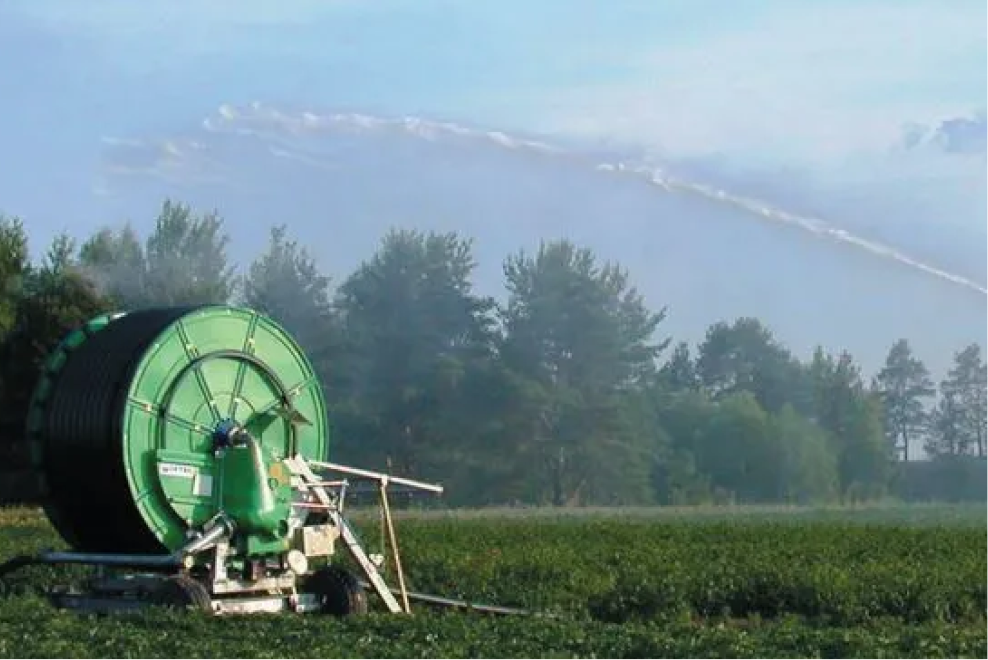
When GDDs accumulate rapidly and ET (evapotranspiration: evaporation from soil + plant transpiration) is high, stress occurs before it becomes visible. Agdir highlights short evening/morning windows with lower evaporation – ideal for short irrigation cycles that reach the root zone and avoid runoff.
- Sandy soils: plan smaller, more frequent applications during heat peaks.
- Heavier soils: monitor saturation risk and split irrigation into multiple sessions.
2) Fertilization: split doses when growth accelerates
A high GDD rate increases both nutrient demand and risk of loss. Split the doses during rapid growth phases.
- Early evening/morning applications before showers often give the best uptake; postpone if leaching risk is high.
- The journal logs what was done – and why.
3) Spraying: catch the optimal efficacy window
Heat peaks can alter both efficacy and drift risk. Combine GDDs with wind forecasts to find early morning or late evening periods where the product performs best and drift risk is low.
Agdir flags “safe” and “marginal” windows, and explains its recommendations using GDD and weather context.
Practical guidelines per soil type and crop
Sandy soils
React quickly to GDD – prioritize small, frequent irrigation cycles during warm periods. Split fertilizer doses to prevent loss.
Silt / clay soils
Tolerate longer intervals, but watch for saturation. Use GDDs to time split fertilization and spraying during cooler periods.
Vegetables / berries
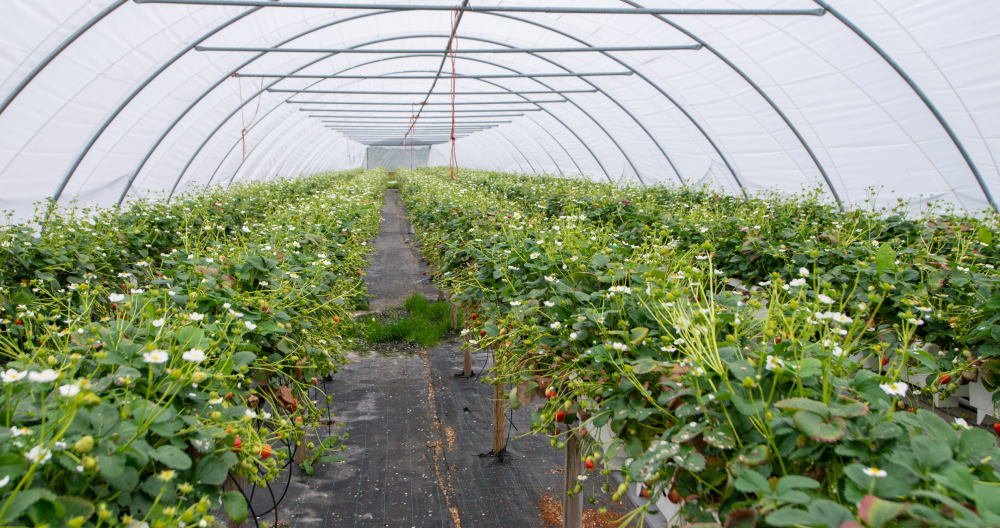
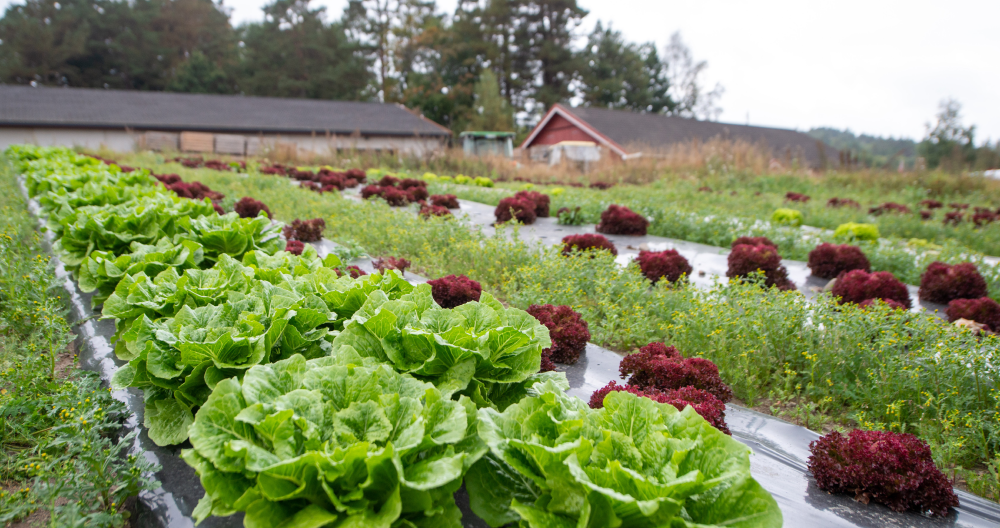
GDDs govern size and quality; irrigate and split fertilizer doses when heat accumulation outpaces growth control.
Cereals / grass
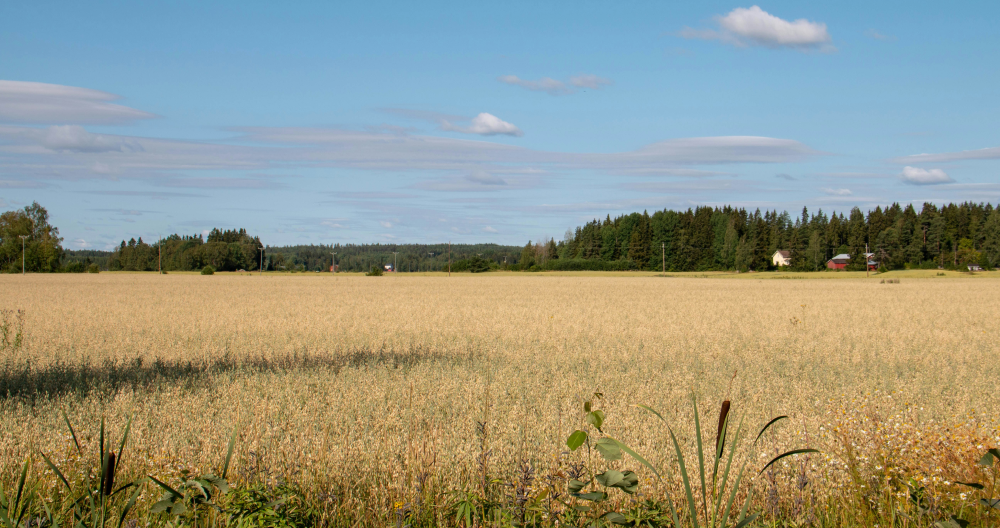
Early in the season, GDDs are key for establishment and tillering – small actions early bring the highest return per liter and kilogram.
Setup in Agdir – how GDDs become practical
- Enable growing degree day display per field and follow weekly trends.
- Define a simple “stress rule”: when GDDs rise quickly + dry wind forecast → plan short irrigation cycles.
- Split fertilizer doses when GDDs increase rapidly and rain forecasts are uncertain.
- Link spraying plans to cool, calm wind windows during high heat accumulation.
Summary
GDDs become a practical advantage when placed in field context. Agdir translates heat accumulation into clear actions: short irrigation cycles in heat peaks, split fertilizer doses for better uptake, and spraying during calm, cool windows.
Activate GDD display per field, link it to work windows, and plan the week according to crop development rate – you’ll feel the difference in both calm and yield.